Airframe & Propulsion Systems
- Home
- Airframe & Propulsion Systems
The Foundation of Tactical Flight
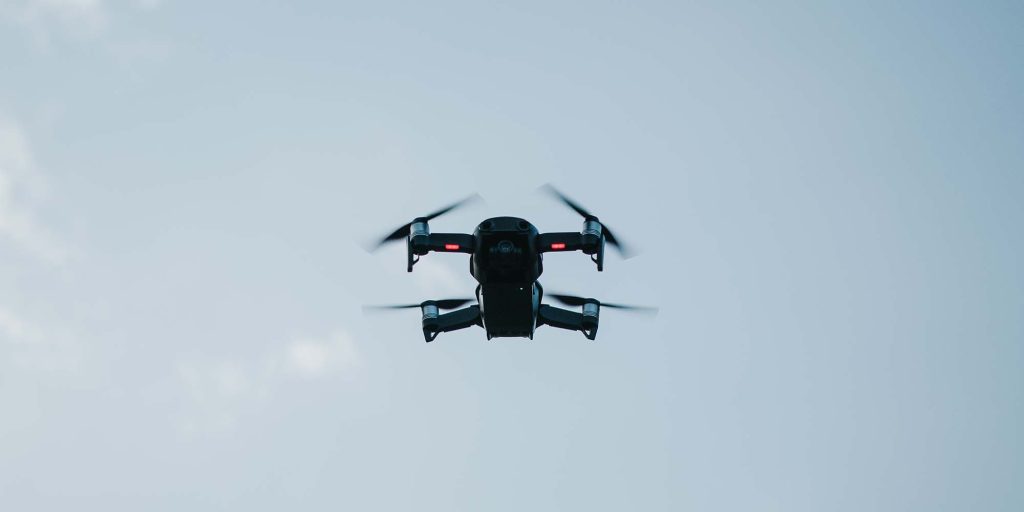
A UAV’s mission envelope is strictly bound by its structural integrity and propulsion efficiency. We engineer and manufacture military-grade airframes and high-performance propulsion systems that push the boundaries of range, speed, and survivability. Built to withstand high-G maneuvers, extreme environments, and contested airspace, our platforms provide the rugged, reliable backbone required for critical defence operations.
Advanced Tactical Airframes
- Military-Grade Composites: Fabricated using advanced carbon fiber, Kevlar, and honeycomb structures to deliver maximum structural rigidity while keeping the Maximum Takeoff Weight (MTOW) optimized.

- Low Observable (Stealth) Geometry: Engineered with radar-cross-section (RCS) reducing profiles and composite materials that minimize thermal and radar signatures in high-threat sectors.
- Modular Payload Bays: Structural designs featuring universal mounting interfaces, quick-release mechanical latches, and internal isolated bays to protect sensitive ISR or EW equipment from flight vibrations.
- Environmental Hardening: Sealed structures meeting IP67 standards to fully protect internal electronics against torrential rain, heavy sandstorms, salt-fog, and extreme temperatures ranging from -30°C to +55°C.
Next-Generation Propulsion Systems
Heavy-Fuel & Gas Engines
- Extended Range: High-efficiency, multi-fuel engines (including JP-8/Jet-A) engineered for long-endurance Group 2 and Group 3 UAV platforms. [1]
- Integrated Alternators: Onboard power generation systems that supply high-wattage power directly to demanding electronic warfare (EW) payloads during flight.
Low-Signature Electric Powertrains
- Acoustic Stealth: Custom-wound brushless motors paired with optimized, low-noise propeller geometries designed to eliminate acoustic detection at operational altitudes.
- High-Reliability ESCs: Military-grade Electronic Speed Controllers (ESCs) featuring active thermal management and redundant signal lines to prevent single-point propulsion failures.
Hybrid-Electric Configurations
- The Best of Both Worlds: Combines the immediate torque and low acoustic footprint of electric flight with the long-range, battery-recharging capabilities of an internal combustion generator.

Rigorous Testing & Aerospace Standards
Our airframe and propulsion designs undergo strict validation processes to guarantee field survivability and match aerospace quality compliance: [1, 2, 3]
Static and dynamic load testing to verify airframe limits during high-velocity maneuvers.
Advanced laser telemetry to eliminate engine-to-airframe harmonic resonance, protecting onboard optical payloads.
Aerodynamic testing to maximize lift-to-drag ratios and ensure stability in high, turbulent crosswinds.